

“Dogs are not our whole life, but they make our lives whole.”
— Roger Caras
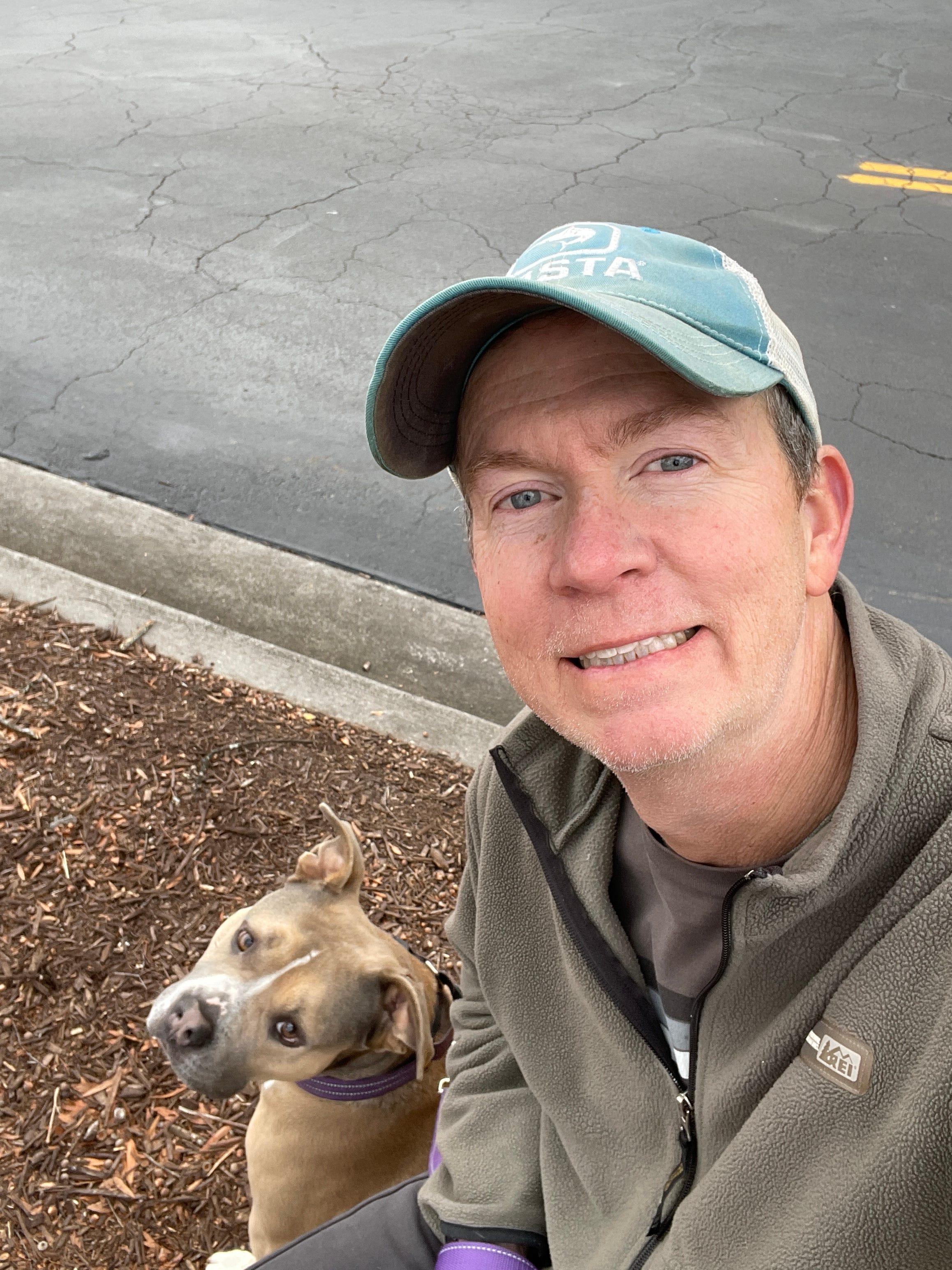
This is Zilly.
She’s our foster dog.
We found her — or maybe she found us — through a shelter here in Atlanta.
She was found wandering alone in a church parking lot. No collar. No chip. No history.
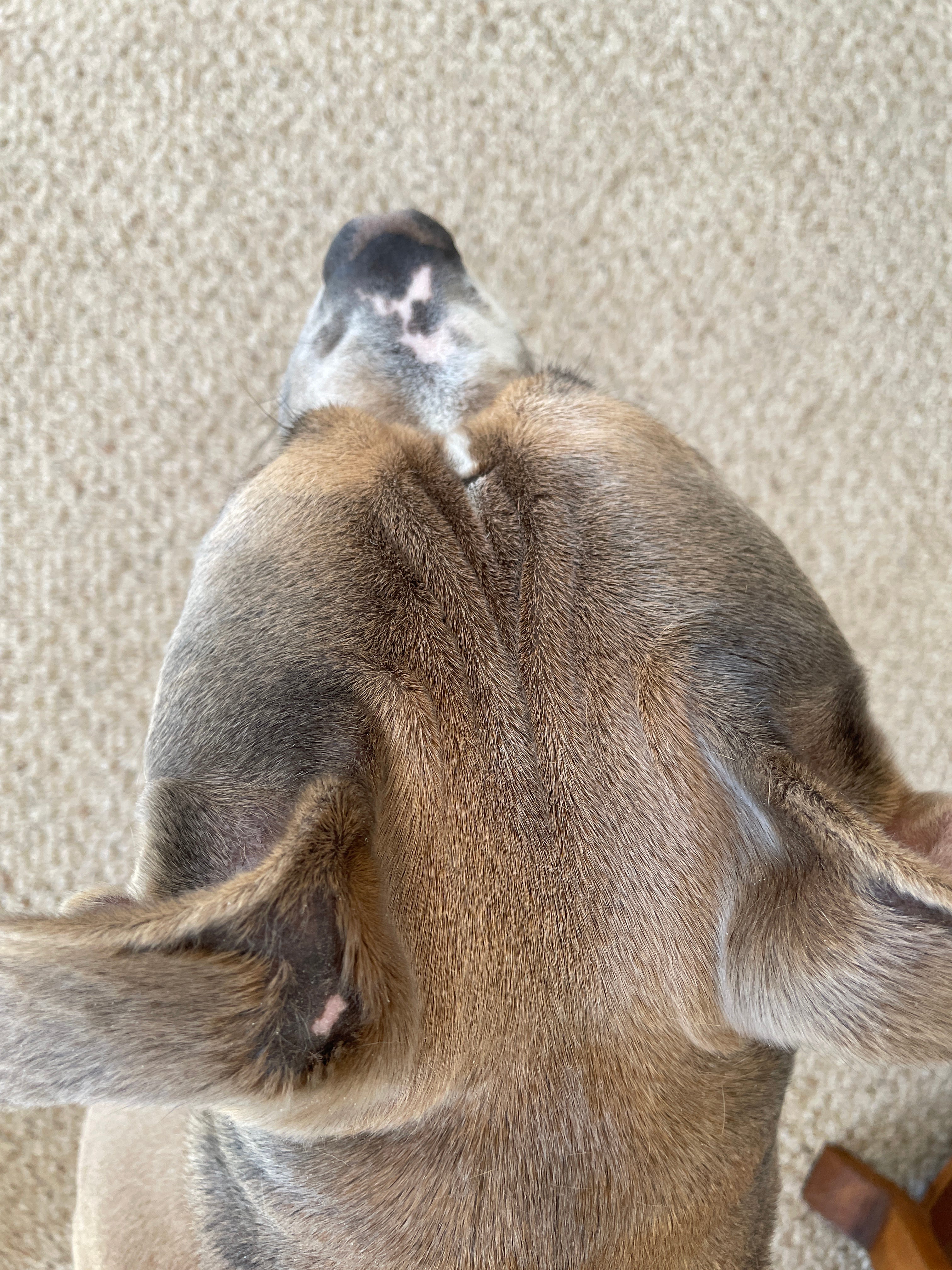
She has hair missing from both ears. And there are nicks and small cuts around her eyes and muzzle.
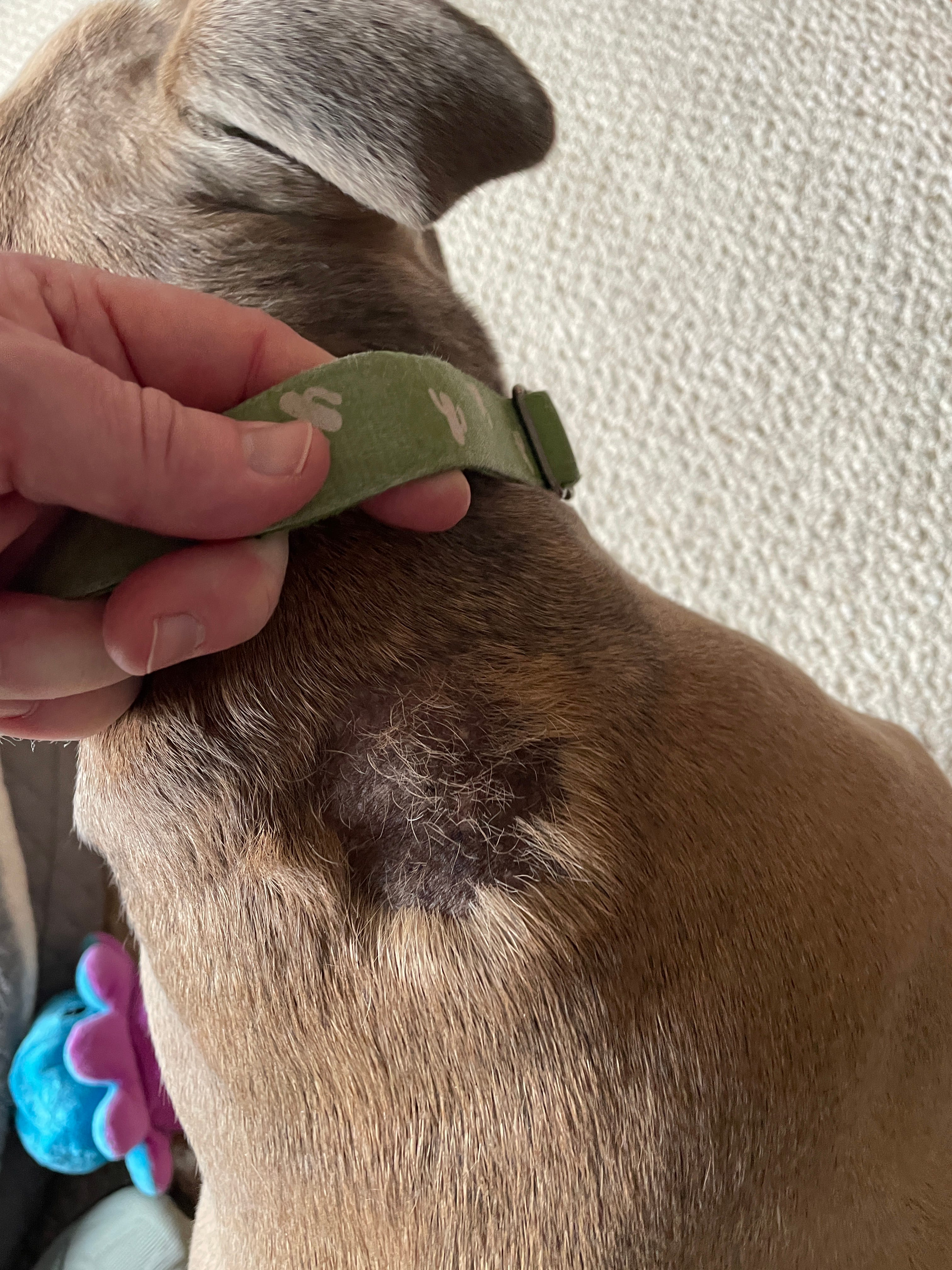
Now look at the back of her neck. There’s a palm-sized patch where the hair never grew back.
We can see the scars. But we’ll never know the stories behind them.
What happened to her? How did she end up alone in that parking lot? Was she lost? Abandoned? Did she escape something worse?
I find myself wondering.
And then I stop, because the wondering doesn’t change anything. She’s here now. She’s safe. She’s loved.
But here’s the thing.
Each of us carries scars too. Most of them can’t be seen.
Some come from lessons we learned early — watching how our parents talked (or didn’t talk) about money.
Some come from mistakes we made along the way. A bad investment. A marriage that ended. A business that failed. A moment when we felt foolish or ashamed.
These invisible scars shape the stories we tell ourselves.
Stories about who we are.
What we deserve.
What we’re capable of.
What money means — and what role it should play in our lives.
Maybe you grew up in a home where money was scarce. Now you spend freely, afraid the money won’t be there tomorrow.
Or maybe money was never discussed at all. So now it feels awkward — even taboo — to talk about it openly.
Or maybe you watched your parents argue about money. And now you avoid those conversations with your own partner...
These patterns run deep.
Researchers call them “money scripts” — unconscious beliefs about money that we learn early and carry into adulthood.
Dr. Brad Klontz has studied this for years. His research shows that these scripts quietly drive our financial behavior, often without us even realizing it.
I’ve written about this before:

The good news? Simple awareness is the first, most important step.
You don’t need to fix everything. You don’t need to untangle every thread.
But there’s real value in pausing to notice the stories you’ve been telling yourself — and asking whether they’re still true.
A few questions to sit with:
What was money like in your family growing up?
Was it discussed openly? Avoided? Argued about?
Did your family have enough, more than enough, or never enough?
Can you trace any threads from those early lessons to your decisions today?
Are there patterns you’d like to change — or simply understand better?
This isn’t about blame or shame. It’s about awareness.
And sometimes, awareness alone is enough to loosen the grip of an old story that no longer serves you.
Zilly doesn’t dwell on her scars. She’s too busy enjoying her new life.
Maybe there’s something in that for the rest of us too.
Bottom line: The stories we carry about money — many of them invisible — shape more of our decisions than we realize.
A little reflection can go a long way.
If this sparked something for you, I’d love to hear about it.
Reply to this email or reach out if you’d like help thinking through your own money stories.
Sometimes it helps to have a guide.
Links & things
Here are a couple of free webinars this month from my friends at Move Health that you might want to register for and check out:
February 17th at 1pm EST: Early Retirement: Healthcare Coverage 101 for Pre-65 Retirees (click here for details and to register)
February 19th at 1pm EST: Turning 65: What To Know About Medicare (click here for details and to register)
Thank you for reading!
If you’re not yet a client and would like my advice, simply reply to this email with your questions and I’ll be happy to respond with my thoughts…
Until next Wednesday,
Russ
This really resonated. It’s easier to look at the story behind our money decisions instead of being hard on ourselves about them.