


In 1975, a first-class stamp cost 10 cents.
In July, it’ll cost 82.
The U.S. Postal Service announced the latest increase last month — 78 cents to 82, effective July 12.
Most of us see a headline like that, shrug, and move on.
But a stamp is a receipt. And the receipt tells a longer story — more than 4% a year, every year, for half a century.
A quick look back
By 2008, the same 10-cent stamp was up to 42 cents.
Today, it’s 78. In July, it’ll be 82.
That’s more than an eightfold jump in 50 years — on one small, simple thing most of us use without much thought.
Why it matters
They’re raising prices because their costs went up.
Fuel, labor, trucks, facilities — all more expensive than last year, and the year before that.
The same forces are showing up in your grocery bill.
Your power bill.
Your property tax.
Your dog food.
Your dinner out.
The stamp isn’t special. It’s just visible. Familiar.
Most price increases don’t come with a news headline — they show up quietly, month after month, in what you spend.
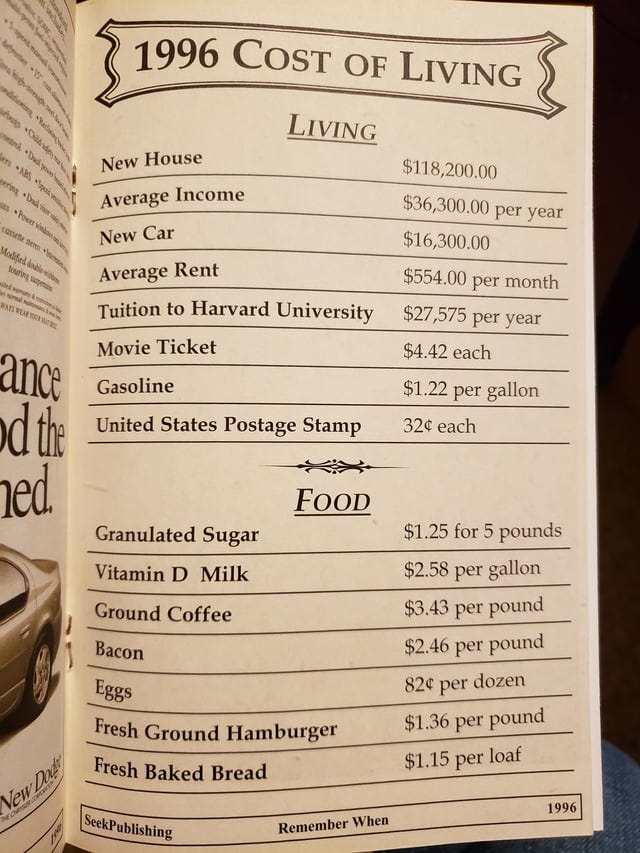
What this means for your retirement
If you’re planning a 30-year retirement, the question isn’t whether prices will rise.
They will.
The question is whether your plan can keep up.
I made the same argument back in 2008, when a stamp cost 42 cents. I used it as a reason to stay invested in stocks over the long term (see Why stocks are safer than bonds).
Since then, the stamp has nearly doubled.
A diversified global stock portfolio has done several times better.
What to do next:
Know your spending. Not last year’s — today’s. What does your average month look like?
Stress-test your plan against higher inflation. A good plan doesn’t assume 2%; it shows how 4% or 5% would impact your plan. And your life.
Keep a meaningful portion of your money in investments that tend to grow faster than your cost of living — usually that means diversified, global stocks, held for the long term.
Revisit your plan regularly. The stamp went up again. So did everything else. Your plan needs to adjust as things change.
Bottom line
A stamp is a small thing.
But it’s one of the clearest reminders that the cost of living doesn’t stand still — and your plan shouldn’t either.
Inflation is the receipt that keeps arriving, whether you realize it or not.
Thank you for reading!
Have a question? Reply to this email — I read every one and I’ll respond personally.
Until next Wednesday,
Russ
P.S. ~ What’s one money question that’s been on your mind lately? Reply and let me know.